Former professional turned coach and analyst Matthew Edgar has delivered a scathing assessment of the modern darts media landscape, criticizing the rise of clickbait and distorted narratives. In a candid conversation with Online Darts, Edgar highlighted how the sport's growth has brought complications, stating bluntly, "Negativity sells more than positivity." He explained this is a dynamic seen across sport and entertainment, where controversy generates attention and revenue, but warned about its long-term impact: "I think sometimes things are being promoted from a negative spin rather than what they are."
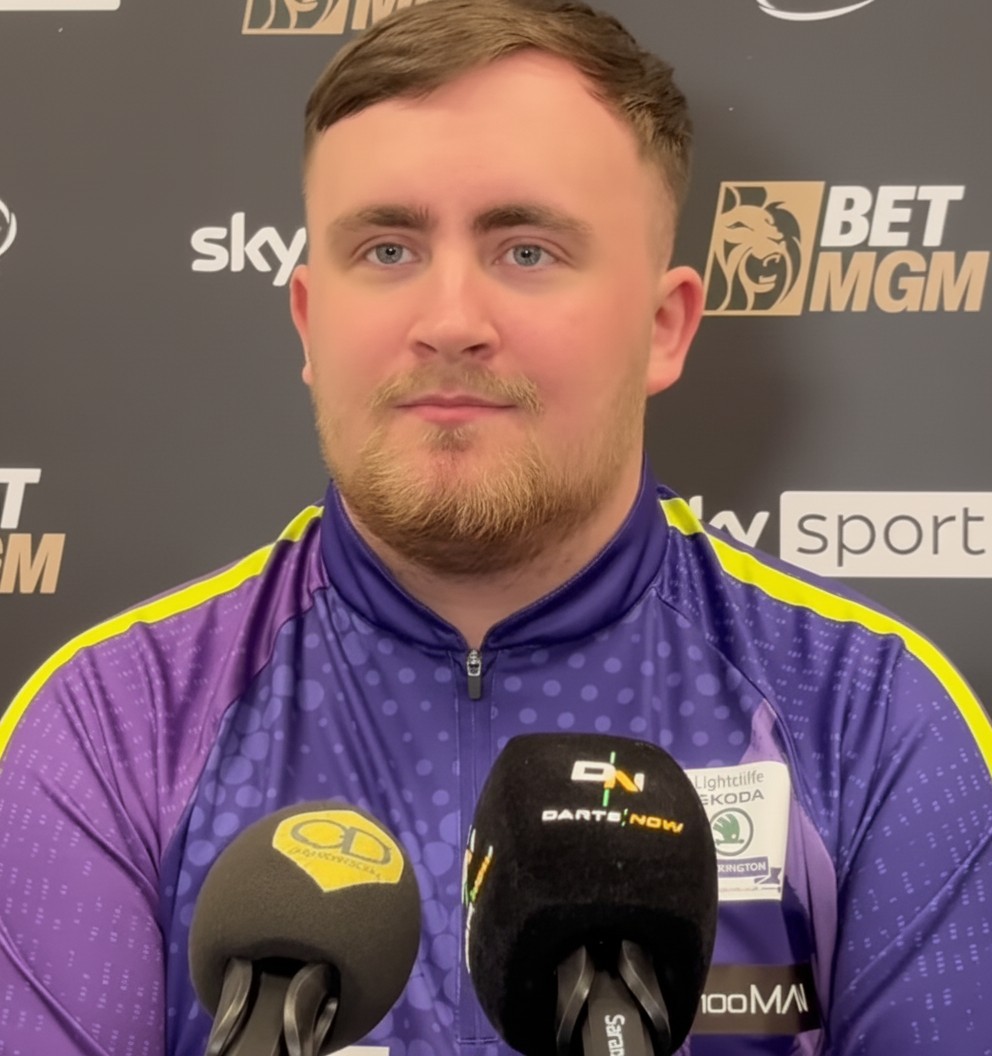
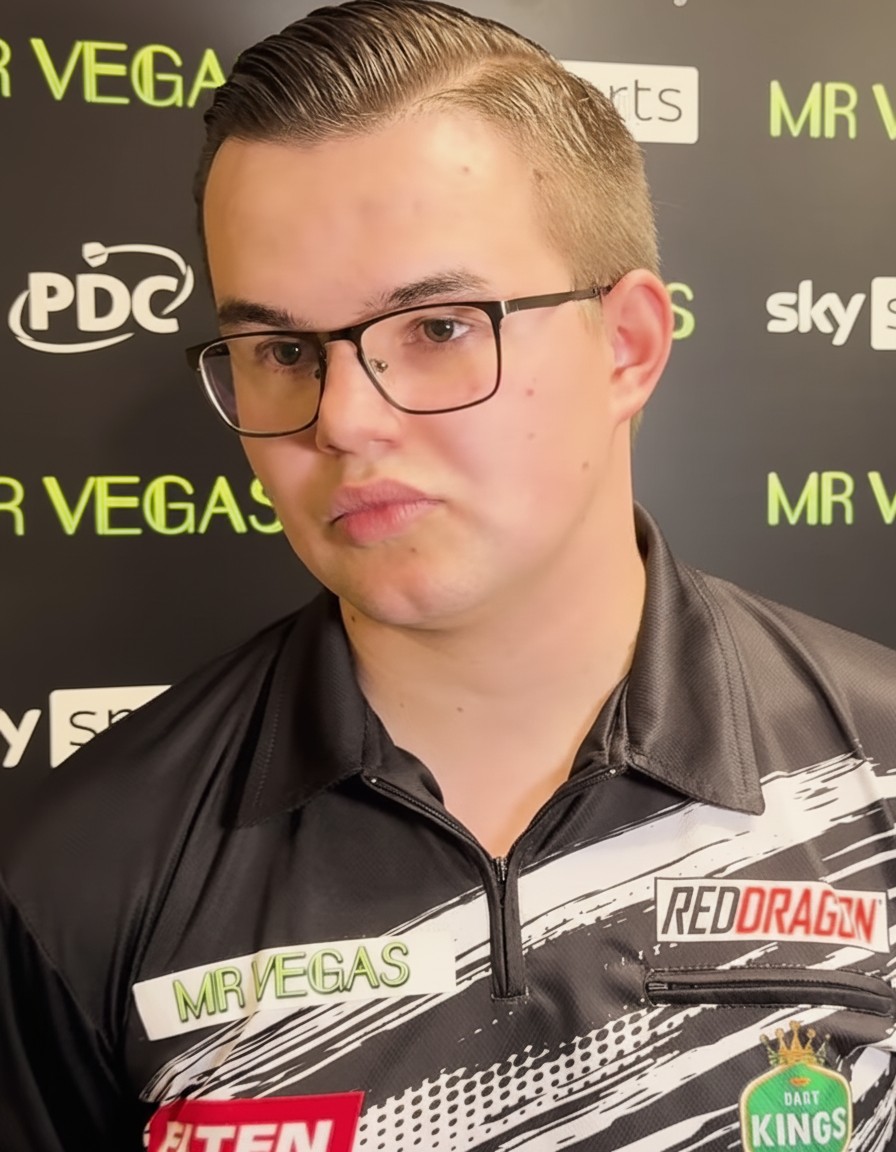
Edgar pointed to a recent media storm sparked by content creator Charlie Murphy suggesting Luke Humphries was not the current world number two as an example of how debates turn personal. "I didn't like how personal it got towards Charlie Murphy. There were a lot of personal, derogatory comments thrown his way for what was essentially just an opinion he had at the time," Edgar said. While he believes disagreement over rankings, performances, and form is part of the sport—mentioning players like Gerwyn Price and Gian van Veen in similar discussions—he stressed the issue is how opinions are presented: "If you believe that, just back it up… and then you've opened a debate."
The core problem, according to Edgar, is clickbait culture distorting the narrative. "Clickbait is… a problem. Titles are written to get maximum reaction, not to reflect the truth," he asserted. He shared his own experience of comments being taken out of context: "I might make a comment or a statement and it gets… recontextualised… and it's like, that's not what I was saying." His advice to fans is direct: "If you read a headline, before having the pile-on attitude, go watch the actual footage. Don't let somebody else tell you about somebody else's opinion."
Edgar attributes this shift not to darts itself but to social media and monetization pressures. "It's a byproduct of social media and monetisation, realistically," he explained, noting that outside the World Championship window, content creators seek attention-grabbing stories. High-profile names like Luke Littler amplify this effect. Edgar also criticized lazy language in coverage, such as using "former world champion" instead of specific titles like "two-time world champion" or "2017 world champion," arguing it strips away context for newer fans.
Despite his concerns, Edgar remains optimistic about darts' future, citing rising standards and a coaching boom—"Coaching's gone through the roof"—with players from grassroots to professionals investing in improvement. However, he emphasized responsibility for those shaping the narrative: "I just want it to be done correctly… we don't need to sensationalise everything. Let's sell this on story." His final message to fans underscores the need for critical thinking: "Don't let somebody else tell you about somebody else's opinion… go watch it."